
Choosing Olive Oil for Baking Cakes and Biscuits
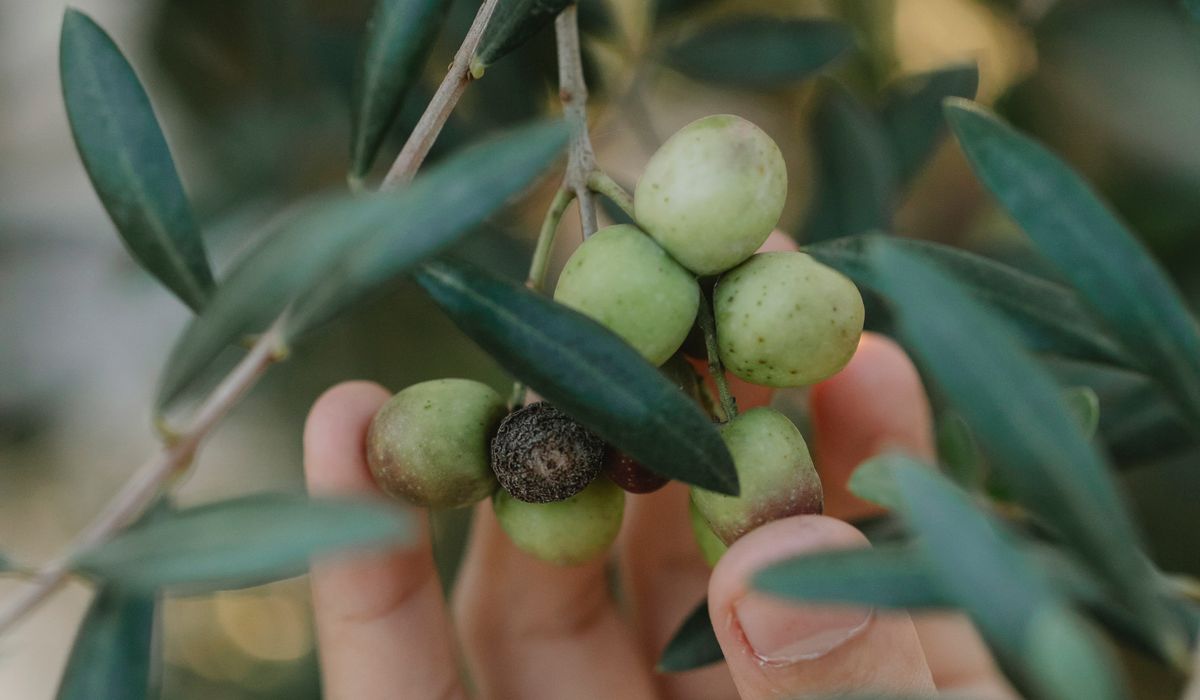
Why Olive Oil Anchors Mediterranean Eating
Ask anyone who grew up around the Mediterranean what sits at the centre of their table and the answer is rarely a dish. It is a bottle. Olive oil is not a garnish in that tradition, or a health food bolted on as an afterthought — it is the principal fat of the kitchen, used for frying, roasting, dressing, baking and finishing. In the diets studied in southern Italy, Greece and Spain, it can account for a fifth or more of daily calories.
What makes this interesting from a heart-health perspective is what it replaces. In a traditional Mediterranean pattern, olive oil takes the place of butter, lard, hard margarine and the fats hidden inside processed meats and pastries. That single swap — trading saturated fat for a mostly monounsaturated one — is one of the most well-supported dietary changes you can make, and it happens to taste considerably better than most of the alternatives.
What Makes Extra Virgin Different
Extra virgin olive oil is simply fruit juice pressed and separated, with no chemical refining and no heat treatment beyond the gentle warmth of the mill. Because it is processed so little, it keeps the compounds that give it character: the green, grassy notes, the artichoke and tomato-leaf aromas, and above all the polyphenols.
Those polyphenols — oleuropein, hydroxytyrosol and oleocanthal among them — are the reason a good oil catches at the back of your throat and makes you cough slightly. That peppery tickle is a sign of freshness, not a flaw. Refined or "light" olive oils have been treated to remove acidity and aroma, and with them go most of these compounds. They are still perfectly good fats, but they are not the same product.
Look for "cold extracted" or "first cold pressed", an acidity level under 0.8%, and, most usefully of all, a harvest date rather than a best-before date. Oil is not wine; it does not improve with age.
How Olive Oil Relates to Cholesterol
Roughly 70% of the fat in olive oil is oleic acid, a monounsaturated fat. When it displaces saturated fat in the diet, the typical effect is a modest fall in LDL cholesterol — the kind that contributes to plaque build-up in arteries — without the corresponding drop in HDL that can happen with very low-fat, high-carbohydrate diets.
The polyphenols appear to add something extra. There is evidence they help protect LDL particles from oxidation, which is the step that makes cholesterol genuinely damaging rather than merely present. Some research also points to small improvements in blood vessel function and in markers of inflammation.
It is worth being clear about the scale of this. Olive oil is not a statin and no single food reverses years of habits. The benefit comes from the pattern: olive oil as your default fat, alongside vegetables, pulses, fish, nuts and wholegrains, with red and processed meat as an occasional guest rather than a daily fixture.
Practical Swaps for a British Kitchen
You do not need to rebuild your diet overnight. Start with the fat you already use most.
- On toast: replace the butter with a generous drizzle of extra virgin oil, a pinch of flaky salt and, if you like, a rubbed clove of garlic or a sliced tomato.
- Roast potatoes and root veg: toss in oil rather than goose fat or dripping. They crisp just as well at 200°C.
- Frying eggs, onions, courgette or aubergine: use olive oil over medium heat. Extra virgin is more stable than its reputation suggests.
- Baking: in cakes, muffins and quick breads, you can often replace melted butter with three-quarters of the volume of olive oil. A fruity, peppery oil works beautifully with orange, lemon, rosemary and dark chocolate.
- Salad dressings: three parts oil to one part acid, a teaspoon of mustard, salt and pepper. Shake in a jar; it keeps for a fortnight.
- Mayonnaise and sandwich fillings: use olive-oil mayonnaise, or mash avocado with lemon and a little oil instead.
Buying, Storing and Cooking With It
Buy in dark glass or a tin, never a clear bottle left on a sunny shelf — light degrades oil faster than heat does. Store it in a cool cupboard away from the hob, tightly sealed. A litre kept for everyday cooking and a smaller, better bottle for dressing and finishing is a sensible arrangement for most households. Use the everyday bottle within a few months.
On cooking: extra virgin olive oil has a smoke point around 190–210°C, which is comfortably above the temperature of most roasting, sautéing and shallow frying. It will begin to smoke if you push it hard, and when it does, the flavour turns bitter. Keep the heat moderate, don't reuse oil more than once or twice, and never let it blacken. For deep frying at very high temperatures, a refined olive oil or a high-oleic sunflower oil is the more practical choice.
Building the Wider Pattern
Olive oil works best as part of a plate, not as a supplement taken by the spoonful. A typical Mediterranean lunch might be a bowl of white beans with tuna, red onion, parsley and a generous glug of oil; supper might be roasted peppers, a piece of grilled fish and bread to mop up. A handful of walnuts, a portion of oily fish twice a week, lentils instead of some of the mince, and fruit instead of biscuits — these do more for your cholesterol profile than any single ingredient.
Do keep portions in mind. Olive oil is calorie-dense at around 120 calories a tablespoon, so if you are watching your weight, measure it rather than pouring freely. Two to four tablespoons a day is a reasonable range for most adults, and there is no need to exceed it.
Finally, enjoy it properly. Pour a little onto a saucer, tear off some bread, and taste before you cook. An oil you actually look forward to using is one you will keep on the counter for years — and that, more than any single nutrient, is what makes a heart-healthy habit stick.
LEAVE A COMMENT