
Visiting an Olive Grove in the Mediterranean
Start with the Everyday, Not the Exotic
A Mediterranean pantry is often sold to us as a shelf of expensive imports: tiny jars of preserved lemons, single-estate oils, hand-rolled pasta in ribboned boxes. It is a lovely idea, and a costly one. The truth is that the cooking of southern Italy, Greece, Spain and the Levant is built on cheap, sturdy ingredients that keep for months and cost very little per portion. Tinned beans. Tinned tomatoes. Dried oregano. Onions, garlic, olive oil. Get those right and you can eat very well on an ordinary weekly shop.
What follows is a practical way to build that shelf without spending more than you would on normal groceries. Nothing here needs a specialist deli, and nothing will sit forgotten at the back of a cupboard.
The Eight Things Worth Buying First
If your kitchen is starting from scratch, buy these before anything else. Between them they cover a surprising range of dishes, and they all keep.
- Tinned tomatoes — chopped for quick sauces, whole plum for slow ones. Whole plum tomatoes are usually better quality; crush them by hand.
- Tinned chickpeas and butter beans — cheap protein, no soaking. Keep the liquid from the chickpeas; it whips into a decent substitute for egg white.
- Dried oregano — the single most useful herb in this style of cooking. Buy it in larger bags rather than tiny jars.
- Garlic and onions — fresh, in quantity, stored somewhere cool and dark.
- Dried pasta — short shapes for hearty sauces, long ones for oil and garlic.
- Olive oil — see below; this is the one place to think carefully.
- Tinned sardines or mackerel — in olive oil. Around a pound a tin, and enough for two on toast.
- Chilli flakes, bay leaves, black pepper — bought loose or in bigger packs. Bay leaves especially are cheap and transform a pot of beans.
Add lemons and a bag of rice when you can, and you have the bones of perhaps twenty meals.
Buying Olive Oil Sensibly
Olive oil is where budgets get tested, and where most advice is unhelpful. You do not need to spend £20 on a bottle for everyday cooking, but you should avoid the cheapest pale stuff on the bottom shelf, which is often old and has lost most of its character.
Look for three things on the label. First, extra virgin, not "light" or "mild" — those words usually indicate refined oil with little flavour and little nutritional value. Second, a harvest date, not just a best-before. Oil is a fresh product; its flavour fades within about eighteen months. Third, a country or region of origin, ideally a single one rather than a blend of several.
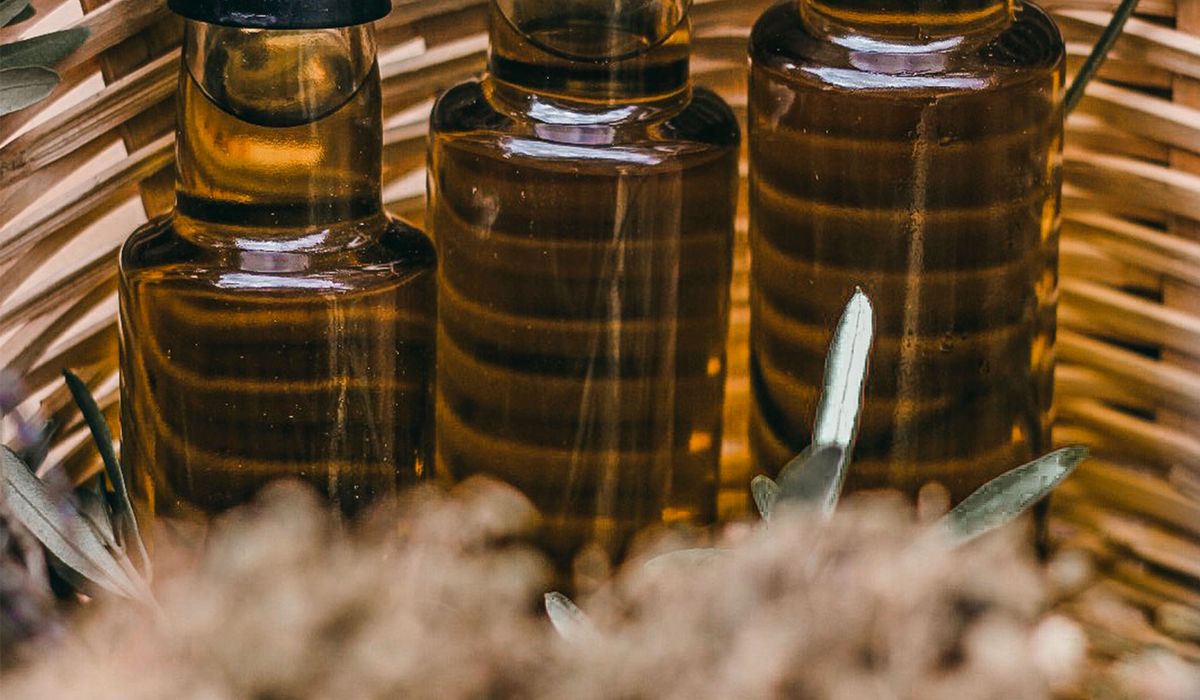
A workable approach is to keep two oils. One large tin or bottle of decent, mid-priced extra virgin for cooking — roughly £6 to £9 a litre, bought when it is on offer. One smaller, better bottle for finishing: drizzling over beans, fish, bread, tomatoes. You will use far less of the second, so the cost per meal is tiny.
Store oil in a cool, dark cupboard, well away from the hob. Heat and light are what make it taste stale and slightly waxy.
Where the Value Actually Lives
The cheapest sections of any supermarket are usually the ones this cooking depends on. Tinned pulses cost a fraction of the dried equivalent once you account for time and energy, and they are just as good in most dishes. Own-brand tinned tomatoes are frequently excellent. Frozen spinach, frozen peas and frozen prawns are all better value than fresh and lose nothing in a stew or a pasta sauce.
Dried herbs and spices are worth buying from the world food aisle or in larger bags, then decanting into small jars. Oregano, cumin, smoked paprika and chilli flakes cost pennies per meal that way. Avoid the small glass jars with the wooden lids; you are paying mostly for the packaging.
Do not ignore tinned fish. A tin of sardines, a squeeze of lemon, some chilli and a slice of toast is a complete and genuinely Greek-tasting supper for under a pound.
Three Meals from One Week's Shopping
Beans with tomato and oregano. Soften an onion and three cloves of garlic in olive oil. Add a teaspoon of oregano, a pinch of chilli, a tin of chopped tomatoes and two tins of drained butter beans. Simmer for twenty minutes. Finish with a good slug of your better oil and plenty of black pepper. Serve with bread.
Pasta with sardines and lemon. Warm garlic and chilli in oil, add a tin of sardines and break them up, then a handful of frozen peas and the zest of a lemon. Toss through cooked pasta with a ladle of the cooking water. Oregano on top.
Chickpea and spinach stew. Onion, garlic, cumin, smoked paprika, a tin of tomatoes, a tin of chickpeas, a bay leaf. Simmer, then stir through frozen spinach. A squeeze of lemon at the end lifts the whole pot.
Each of these costs well under £2 a portion and takes half an hour. None of them needs an ingredient you would have to seek out specially.
Small Habits That Keep Costs Down
- Buy tinned goods when they are on a multi-buy offer, and rotate the oldest to the front of the shelf.
- Keep one oil out for cooking and the good bottle in the cupboard, used deliberately.
- Save the oil from tins of fish — it is seasoned and excellent for frying onions.
- Grow oregano and bay in pots on a sunny windowsill if you have the light; both are hardy and generous.
- Cook beans and tomatoes in bigger batches than you need. The second day is usually better.
Build the shelf slowly, one shop at a time, and you will end up with a pantry that feeds you well on very little. That is the real Mediterranean trick: not expensive ingredients, but a handful of cheap ones used confidently and often.
LEAVE A COMMENT