
Matching Olive Oil Styles with Different Dishes
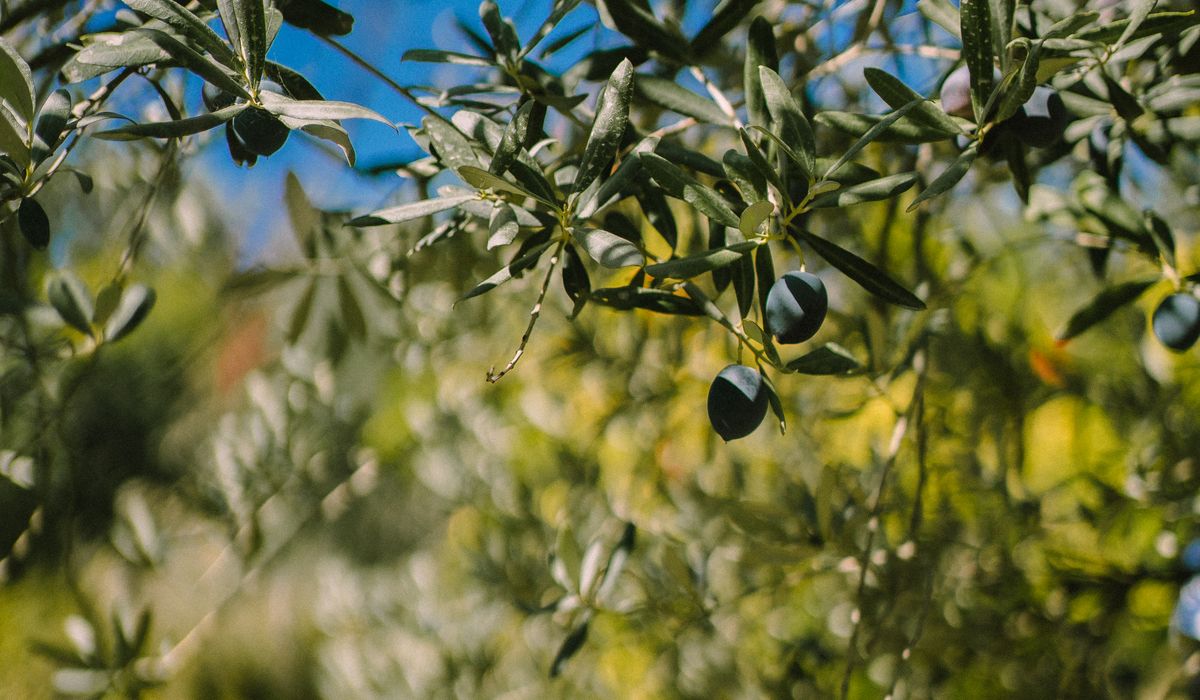
Why the Hours After Picking Decide Everything
An olive is a fruit, not a nut, and like any fruit it begins to fade the moment it leaves the tree. Inside the flesh, enzymes start breaking down the very compounds you want in the bottle — the grassy, almondy, artichoke-like aromas, and the polyphenols that give good oil its peppery kick and its ability to resist going stale. Leave picked olives in a sack overnight and you will still make oil, but it will be flatter, softer and quicker to turn. This is why small producers talk obsessively about timing.
Most aim to get fruit from branch to crusher within four to six hours, and many will not let a full day pass. Harvesting early — while the olives are still green-violet rather than fully black — helps as well. Yields drop, sometimes by a third, but the oil carries more polyphenols, more bitterness and a freshness that survives far longer in the bottle. Freshness is not a marketing word in olive oil; it is a measurable chemical advantage.
Cleaning and Crushing: The First Five Minutes
At the mill, the olives are tipped into a hopper and carried through a destemmer and leaf remover. Leaves left in the paste add a harsh, chlorophyll-heavy bitterness that can dominate the finished oil, so this stage is not housekeeping — it is flavour control. The fruit is then washed in cool water and drained.
Crushing follows immediately. A traditional granite stone mill turns slowly, shearing the flesh open without whipping in much air, and it tends to produce a paste that separates cleanly. A modern hammer crusher does the job in seconds, which is faster and cheaper, but the speed generates friction. Worn hammers and blunt blades are a common cause of warm paste and dull oil, so a careful miller checks the machinery far more often than the calendar suggests. The aim in both cases is the same: break the cells open, keep the temperature down, and get the paste to the next stage while it still smells of green apples.
Malaxation: Where Flavour Is Won or Lost
The paste then drops into a malaxer — a stainless steel trough with a slowly turning spiral blade. Twenty to forty minutes of gentle kneading allows the tiny oil droplets released by crushing to merge into larger ones that can be separated from the water and solids. This is the stage most visitors find underwhelming and most producers find nerve-wracking.
The trough is usually surrounded by a water jacket, and that water is kept cool. Under EU labelling rules, "cold pressed" or "cold extracted" means the paste never exceeds 27°C, and in practice good producers stay well below that. Push the temperature up and extraction becomes easier, but the volatile aromas — the ones responsible for that fresh-cut grass and tomato-leaf character — simply evaporate, and vitamin E and polyphenols degrade alongside them.
Timing matters just as much. Too long in the malaxer and the paste takes up oxygen, developing a muddy, faintly cabbagey note; too short and a good proportion of the oil stays locked inside the cells and ends up in the waste. An experienced miller will judge this by variety, ripeness and even the weather of the preceding week, feeling the paste between finger and thumb rather than watching a clock.
Separation: Spinning, Not Boiling
There are two routes from paste to oil. The older method uses a hydraulic press and filter mats, layering the paste and squeezing it — slow, labour-intensive and now rare outside small artisan mills. The modern method uses a centrifugal decanter, which spins the paste at high speed so that oil, water and solids separate by density.
- Two-phase decanters add no water at all, producing oil and a semi-solid pomace. They use less energy and preserve more polyphenols.
- Three-phase decanters add water to help the separation along, which makes the process more controllable but washes away some of the water-soluble antioxidants.
A final spin in a vertical centrifuge removes the last traces of water and sediment. The oil then goes into stainless steel tanks, ideally blanketed with inert gas and kept in the dark, before being bottled. Throughout all of this, temperature is logged. If you ever visit a mill, watch where the thermometers are — the number of them tells you a great deal about how seriously the producer takes the word "cold".
Reading the Label Like an Insider
Once you understand the process, the bottle becomes much easier to judge. What you want to look for is evidence of speed and restraint:
- A harvest date, not just a best-before date. Oil is at its best within twelve to eighteen months of pressing.
- The words "extra virgin", which legally means free acidity below 0.8% and no sensory defects — but the term is a floor, not a guarantee of character.
- A named estate, region or olive variety, which usually signals fruit the producer grew and cared about.
- Dark glass or a tin. Light and heat are the two fastest ways to ruin a good bottle.
Phrases such as "first cold pressing" are largely a hangover from the era of hydraulic presses; almost nothing is pressed twice nowadays. It reads well on a label and tells you very little about what happened at the mill.
Tasting and Keeping What You Have Bought
Pour a little into a small glass, cup it in your palm to warm it, cover it and then smell. You should find something vivid and specific — artichoke, green banana, cut grass, sometimes a whiff of tomato vine. Sip a small amount and draw air across it; a good oil will taste bitter and, a few seconds later, catch the back of your throat with a peppery burn. That sensation is oleocanthal, and bitterness and pungency are signs of freshness, not faults. Mild, buttery oil is not automatically lesser, but it does age faster.
In the kitchen, match the oil to the job. Robust, peppery oils stand up to grilled vegetables, pulses, bruschetta and roast meats. Delicate, sweeter oils are better drizzled over fish, mozzarella or a bowl of summer tomatoes, where a heavy hand would smother everything else. Keep your everyday bottle in a cupboard away from the hob, never on a sunny windowsill, and buy in sizes you will finish rather than a decorative litre that lingers for two years. Treat it as a seasonal ingredient rather than a pantry fixture, and the difference a small producer worked for will be obvious in the first spoonful.
LEAVE A COMMENT