
How to Store Olive Oil to Preserve Freshness
Why a Hot Oven and Good Oil Change Everything
Roasting is the most forgiving cooking method there is, but it rewards a bit of thought. Two things do the heavy lifting: heat and fat. When you slide a tray of parsnips, carrots and red onion into an oven at 200°C, the surfaces dry out and then start to brown. That browning — the Maillard reaction plus caramelisation of the vegetables' natural sugars — is where the deep, sweet, slightly nutty flavour comes from. Without enough fat, the outside dries and toughens before it colours properly, and the inside turns mealy.
Olive oil does more than stop things sticking. It conducts heat evenly into every crevice, keeps the interior tender while the edges crisp, and carries its own aroma — grassy, peppery, sometimes faintly artichoke-like — straight into the vegetables. A generous glug is not extravagance; it is the difference between a pale, limp side and one that tastes like it came from a restaurant kitchen.
Which Olive Oil to Reach For
There is a persistent myth that you should only cook with bland, refined oils and save the good stuff for dressing. In practice, a decent extra virgin olive oil is excellent for roasting. Its smoke point sits comfortably above the temperature you will actually be cooking at, and the moisture inside the vegetables keeps the oil on the tray well below that anyway.
My rule is simple: cooking oil for the tray, finishing oil for the plate. Use a mid-priced, everyday extra virgin for roasting — something fruity and robust enough to stand up to heat. Keep the expensive single-estate bottle for drizzling raw over the finished dish, where its delicate notes will actually be noticed.
- Look for a harvest date, not just a best-before date, and aim to use the bottle within a year.
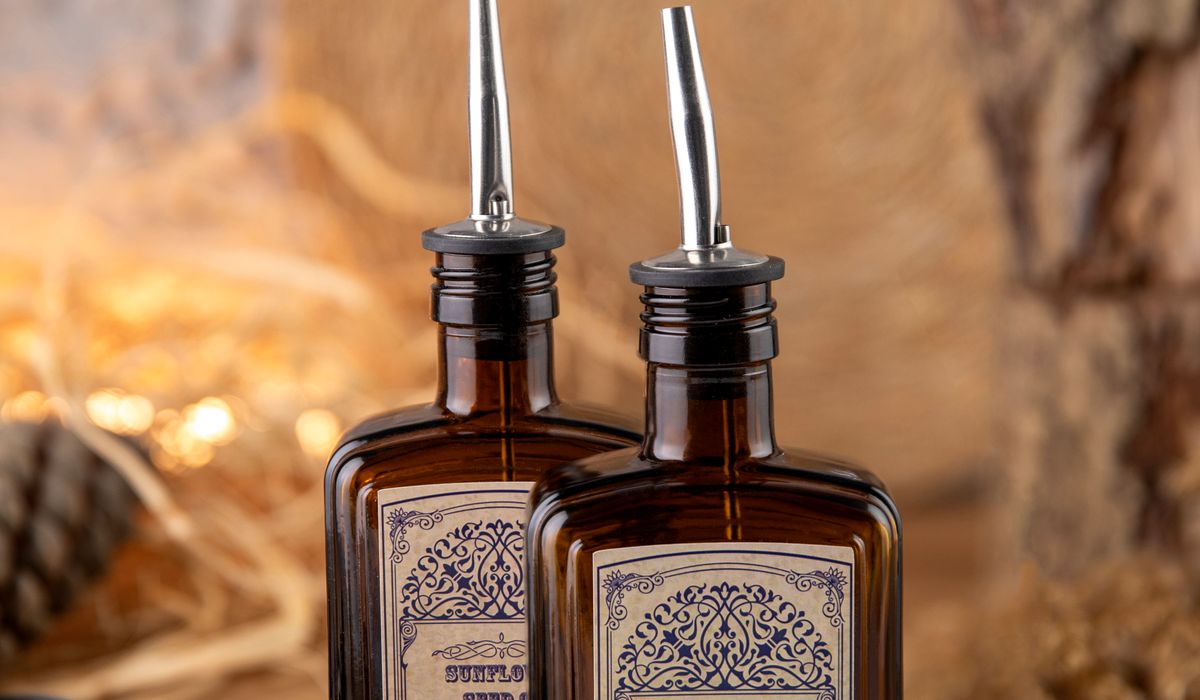
- Buy dark glass or tins; light degrades the oil faster than heat does.
- Store it in a cool cupboard, not on the windowsill beside the hob.
- Peppery, grassy oils suit roots and brassicas; softer, buttery oils suit squash and sweet potato.
Prep: Dry, Even and Uncrowded
Most disappointing roast vegetables fail at the preparation stage rather than in the oven. Three principles cover it.
Dry them. Wet vegetables steam. Pat everything thoroughly with a clean tea towel or kitchen paper, especially after washing potatoes or scrubbing carrots. Any surface water has to evaporate before browning can begin, which steals time and leaves you with soggy edges.
Cut them evenly. Aim for pieces roughly 2–3cm across so everything finishes at once. Dense vegetables need help: cut swede, celeriac, potato and beetroot smaller, or give them a ten-minute head start before adding softer things like courgette, pepper, aubergine and cherry tomatoes.
Give them room. A crowded tray traps steam and effectively braises the vegetables. Use two trays rather than piling one high, and spread everything into a single layer with a little space between pieces.
The Method, Step by Step
Preheat the oven to 200°C fan (220°C conventional, gas mark 7) and put the empty roasting tray in to heat for ten minutes. A hot tray starts the browning the moment the vegetables land.
- Toss the prepared vegetables in a large bowl with 1–2 tablespoons of olive oil per tray, enough to give everything a visible, glossy sheen without pooling.
- Season with flaky salt and black pepper now — salt draws out moisture and seasons from within.
- Tip onto the hot tray and spread out. You should hear a faint sizzle.
- Roast for 35–45 minutes, turning with a spatula every 15 minutes so the edges colour evenly.
- Expect the vegetables to shrink and the edges to darken to a deep amber. If they are pale gold after 40 minutes, the oven is too cool or the tray is too crowded.
Roots generally need 40–50 minutes; softer vegetables 20–30. Test with the tip of a knife — it should slide in with no resistance and no crunch.
Building Flavour Beyond Salt
Once the technique is reliable, layers of flavour are easy. Add whole, unpeeled garlic cloves and sprigs of thyme or rosemary at the start so they soften and perfume the oil. Whole spices — cumin seeds, fennel seeds, a few crushed coriander seeds — toast in the hot oil and taste far better than ground versions added later.
Save the delicate additions for the end. A squeeze of lemon juice, a splash of sherry vinegar or balsamic, a drizzle of honey, a scattering of chopped soft herbs like parsley or dill: all of these lose their brightness in the oven. Add them in the last minute or straight after the tray comes out, while everything is still hot enough to release their aroma.
Finish with a thread of your best olive oil. Raw oil poured over hot vegetables keeps its fruitiness and adds a freshness that cooking destroys.
Serving and Using Up the Leftovers
Roast vegetables are wonderful straight from the tray alongside roast chicken, sausages, a piece of fish or a pile of buttered grains. But they are equally good cold the next day, which makes a big tray worth doing deliberately.
- Fold into a warm salad with lentils, rocket and crumbled feta.
- Blend with stock for an instant, velvety soup.
- Layer into a frittata or a tart with eggs and cream.
- Mash roughly with a fork and spread on toast with a slick of olive oil.
- Stir through pasta with a little of the cooking oil and a grating of hard cheese.
Keep them in the fridge for up to four days, covered, and bring back to room temperature before eating. The flavour, if anything, improves overnight — which is a very good reason to roast more than you need.
LEAVE A COMMENT