
Building a Mediterranean Pantry on a Budget
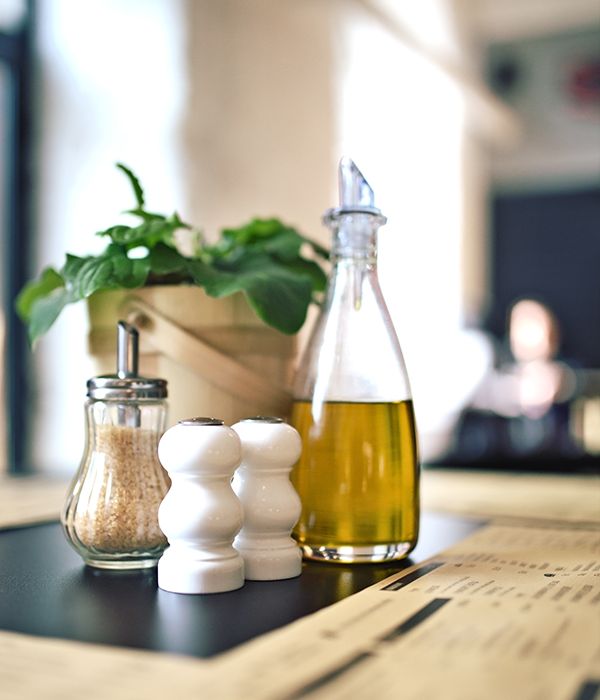
The Mediterranean way of eating has been praised by doctors, cooks and grandmothers for decades, yet it resists being pinned down as a strict regime. There are no forbidden foods, no calorie counting, no guilt. Instead, it is a collection of simple habits: filling your plate with vegetables and pulses, enjoying fish and olive oil regularly, and sitting down to eat with people you love. For busy home cooks in the UK, these principles are surprisingly easy to adopt. You do not need a villa in Tuscany. You need a decent bottle of olive oil, a cupboard of tins and jars, and a willingness to slow down at the table.
Build Your Meals Around Vegetables and Pulses
In Mediterranean cooking, vegetables are not a side dish. They are the heart of the meal. Think of a Greek salad with ripe tomatoes, cucumber, red onion, olives and feta. Or a Sicilian aubergine stew with capers and celery. Or simply a tray of roasted peppers, courgettes and red onion, drizzled with oil and scattered with herbs.
Aim for two or three different vegetables at every evening meal. They can be raw, roasted, griddled or simmered. Keep prepared crudités in the fridge. Roast a big tray of root vegetables on Sunday to eat throughout the week. Add handfuls of spinach or kale to soups and pasta sauces. The goal is abundance and variety, not perfection.
Pulses: The Quiet Heroes of the Mediterranean Pantry
Chickpeas, lentils, cannellini beans, borlotti, butter beans — these humble staples appear in every Mediterranean kitchen. They are cheap, filling and endlessly versatile. A tin of chickpeas can become a lemony purée, a hearty salad with parsley and red onion, or a warming stew with tomatoes and cumin.
Try cooking dried pulses when you have time, but do not let that stop you using tins. Rinse them well. Lentil soup with carrot, celery and a bay leaf is a classic. White beans with garlic, rosemary and olive oil make a satisfying lunch. Season boldly and finish with good oil and a squeeze of lemon.
Fish Twice a Week, Without Fuss
Fish is a cornerstone of the Mediterranean pattern, especially oily fish like sardines, mackerel and anchovies. They are rich in omega-3 fats and cook in minutes. You do not need to poach a whole sea bass on a Tuesday. A tin of sardines on toast with lemon and chilli is a perfect Mediterranean meal. So is a fillet of mackerel grilled with olive oil and oregano.
Aim for two fish meals a week, one of them oily. Keep frozen fillets and tins in the cupboard. Try anchovies melted into a tomato sauce for pasta, or tuna with white beans and red onion. The point is regularity, not ceremony.
Olive Oil: Buy Better, Use Generously
Olive oil is not just a cooking fat; it is the soul of the Mediterranean table. Extra virgin olive oil, especially cold-pressed, contains polyphenols and antioxidants. It should taste peppery, grassy or fruity — not bland. Buy the best you can afford and use it every day.
Use it for roasting vegetables, dressing salads, finishing soups and dipping bread. Contrary to old myths, good olive oil is stable enough for gentle frying and sautéing. Keep a bottle by the hob and another on the table. Store it away from light and heat. A simple dressing of oil, lemon juice, salt and pepper will transform any dish.
Slow Down and Share the Table
The Mediterranean approach is not only about what you eat, but how. Meals are social, leisurely and pleasurable. In Spain, sobremesa means lingering after eating. In Italy, lunch can stretch for hours. In Greece, a plate of meze is passed around with conversation.
You can recreate this at home. Turn off the television. Sit down properly. Put serving dishes in the middle. Eat more slowly. Chew. Talk. Even a weekday supper can become a small occasion. Invite a friend, or eat with your family without phones. This simple habit reduces overeating and increases enjoyment.
A Flexible Framework for Everyday Cooking
There is no need to follow strict rules. The Mediterranean diet is a pattern, not a prescription. Some days you will eat more vegetables, some days less. Some meals will be rushed. That is fine. The overall direction matters more than any single meal.
- Vegetables and pulses first — fill at least half your plate.
- Fish often — aim for two meals a week, one oily.
- Olive oil always — use extra virgin for dressing and cooking.
- Company whenever possible — share meals without screens.
Buy seasonal produce from markets or greengrocers. Cook simple dishes with few ingredients. Use herbs, garlic, lemon and spices instead of salt and sugar.
Start with one change: add a side salad to tonight's dinner, or swap your usual spread for olive oil. Next week, cook a lentil soup. The week after, grill some mackerel. Over months, these small habits become second nature. Your body will thank you — and so will your table companions.
LEAVE A COMMENT