
Understanding Olive Oil Labels and Harvest Dates
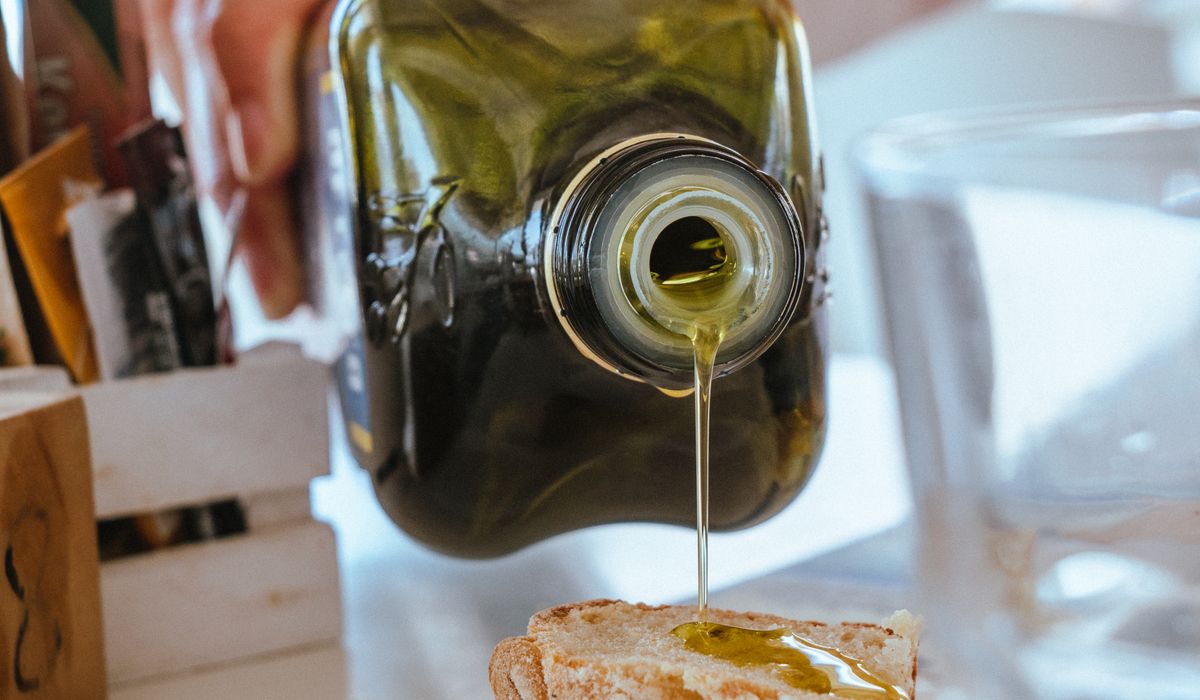
Freshness Comes Before Everything Else
If you take one thing from this article, let it be this: olive oil is a fruit juice. It is pressed from olives, and like any juice it begins to fade the moment it is made. A bottle that was harvested eight months ago and stored carelessly will taste tired no matter how grand the label looks, while a humble bottle from last winter's harvest can be genuinely thrilling. So before you compare price tags or study the poetry on the front of the bottle, train yourself to ask a simpler question: how old is this oil, and has it been treated kindly since it was pressed?
Extra virgin olive oil is not a marketing phrase. It is a legal grade, and in the EU it must meet specific chemical standards, including a free acidity of no more than 0.8% and no detectable sensory faults, with at least some fruitiness on the nose and palate. That is a useful floor, but it is only a floor. Plenty of technically correct oils are dull. Your job as a shopper is to find the ones that are both correct and alive.
Reading the Label Properly
The front label is largely there to seduce you. The back label is where the facts live, so turn the bottle around and read it with a slightly suspicious eye.
- Look for a specific origin. "Produced in Italy" or, better still, a named region, estate or grove tells you far more than "packed in the EU". Blends of several countries are perfectly legal, but they are usually assembled for consistency and price rather than character.
- Check for protected names. PDO and PGI statuses tie an oil to a defined place and set of methods, which is a reasonable guarantee of provenance, though not automatically of freshness.
- Treat "cold extracted" or "cold pressed" as a good sign. It means the paste was kept below roughly 27°C during extraction, which preserves aroma and polyphenols. It is not a guarantee of quality on its own.
- Be wary of vague language. "Light", "pure" and "mild" usually signal refined oil rather than the real thing. "First cold pressing" is largely decorative these days, since most modern mills use continuous extraction rather than presses.
The Harvest Date Is Your Best Clue
Most bottles carry a best-before date two years out, which is close to meaningless for judging freshness. What you want is the harvest date, sometimes printed as a month and year, sometimes as a lot number you can decode. In the northern hemisphere, olives are picked between roughly October and January; in the southern hemisphere, between April and July.
As a rule of thumb, an oil is at its most vivid within twelve months of harvest and still very good up to eighteen. Beyond two years it is best kept for cooking rather than drizzling. If a bottle gives you no harvest date at all, that silence is itself information. A producer proud of their oil will usually tell you when it was made.
What Acidity Actually Tells You
Free acidity measures how much the fatty acids in the oil have broken down, so lower is better. Extra virgin must sit at or below 0.8%, and the finest oils often come in under 0.3%. But here is the trap: acidity is a measure of condition, not of flavour. An oil can be chemically flawless and still taste of nothing much.
Two other numbers matter more for taste. Peroxide value indicates how much the oil has oxidised, and anything under 10 is excellent. Polyphenols are the compounds behind the peppery catch at the back of your throat and the bitterness on your tongue. Higher levels, often quoted between 250 and 500 mg/kg, usually mean a more robust, longer-lasting oil, though they are not to everyone's taste. Do not chase a single figure. Use the numbers to rule bottles out, then let your palate rule them in.
Taste Before You Commit
Wherever you can, taste first. Many delis, markets and specialist shops in the UK offer samples, and a small pour in a plastic cup tells you more in ten seconds than any label. Warm the cup in your hand, sniff, sip a little, and draw air across your tongue.
- Fresh oil smells green. Expect cut grass, artichoke, tomato leaf or almond, not a flat, waxy neutrality.
- A peppery tickle in the throat is a good sign. That catch is oleocanthal, an anti-inflammatory compound found in fresh, high-quality oil.
- Bitterness is a virtue, not a flaw. It fades as the oil ages, so a bitter oil is often a young one.
- Reject anything musty, mouldy or reminiscent of old nuts or crayons. Those are genuine defects, not rustic charm.
Buy Small, Store Well
Olive oil is perishable, and the enemies are light, heat, air and time. Buy the smallest bottle you will use within a few months rather than a bargain three-litre tin, unless you cook with it daily. Dark glass or tinned steel protects it far better than a clear decorative bottle, however pretty it looks on the worktop.
At home, keep it in a cool, dark cupboard away from the oven and the hob, screw the cap on firmly, and resist the urge to decant it into a jug for display. A good oil deserves to be treated like the fresh ingredient it is, and once you start buying by harvest date rather than by brand, you will notice the difference immediately.
LEAVE A COMMENT